The City That Keeps Burying Its Children
A Personal Account of Jos, Plateau State
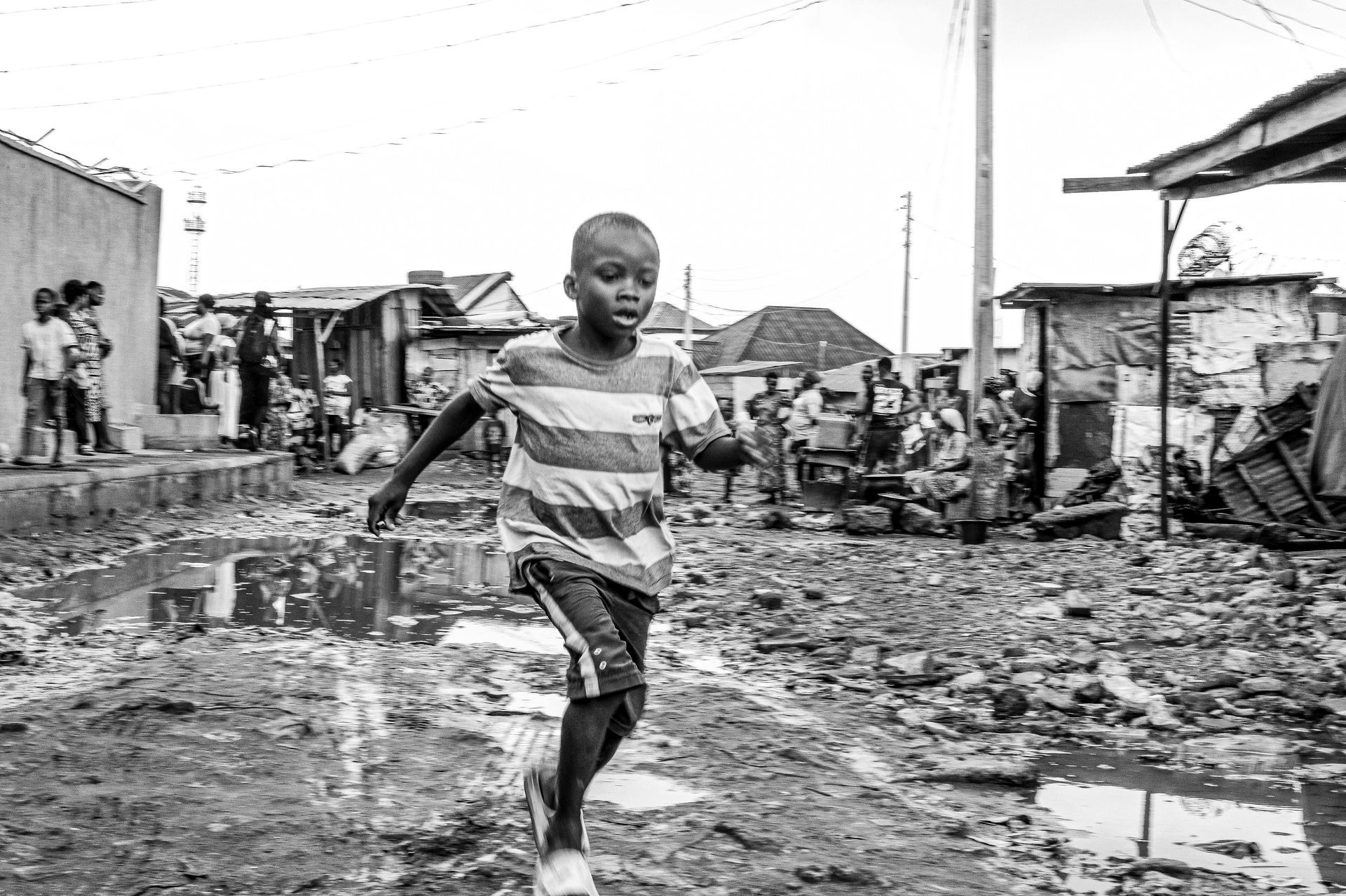
Over 28 people were killed in Angwan Rukuba on Palm Sunday, 2026. I grew up in that city. I was nearly killed there. And I have been watching it bleed — quietly, relentlessly — for most of my life.
I was thirty minutes away from dying in Jos.
Twenty-five years later, over 28 people were not as lucky.
Let me tell you a story about a city I have never been able to leave — even though I left it twice.
Growing Up in Jos: The City Before the Crisis
My father was a petty trader in Jos, Plateau State, through the late eighties and nineties. Not a rich man. Not a powerful man. Just a man doing what honest men do — building carefully, providing steadily, holding the world together for the people who depended on him.
Jos was not just a location. It was the architecture of our family's early life. The school runs. The market visits. The evenings when the harmattan rolled down from the plateau and the whole city smelled like dry earth and wood smoke and something that, at the time, felt permanent.
I was a child. I did not know the word "crisis" yet.
That word would find me soon enough.
2001: When the Ground Shook in Jos
Then 2001 came. The Jos crisis erupted — violence, fire, the particular terror of watching your neighbourhood become somewhere you no longer recognise. Barely a day after the world watched New York burn on September 11th, Jos ignited in its own kind of chaos. The timing felt like a cruel echo.
My father did not wait. He had identified Asaba — calmer, closer to home, a city with the right energy for a fresh start. The plan was solid. There was just one problem: nobody was buying property in Jos. Fear had paralysed the market completely. His landed assets in Plateau State were frozen — real in value, worthless in liquidity.
But my father had made one quiet decision years earlier that most people would have laughed at. On the advice of a cousin he trusted deeply, he had bought a plot of land in a part of Onitsha called Okpoko. Swampy. Waterlogged. No road, no infrastructure, no obvious future. He had doubts.
He bought it anyway.
Nobody was buying property in Jos when the violence came. Fear had swallowed the real estate market. The one asset that saved us was land held quietly in a city we almost didn't invest in.
By 2001, that plot — held patiently, almost forgotten — had quietly appreciated. It sold in less than a month. The proceeds funded our relocation to Asaba, restarted my father's business, and became the financial foundation that our family still stands on today.
The overlooked land saved us. The city we loved could not.
I have written elsewhere about the
Okpoko story as a lesson in real estate investment in Nigeria. But I have never written about what that relocation actually meant — what we were leaving behind, and why. Until now.
Returning to Jos for NYSC: The City Welcomed Me Back With a Bomb
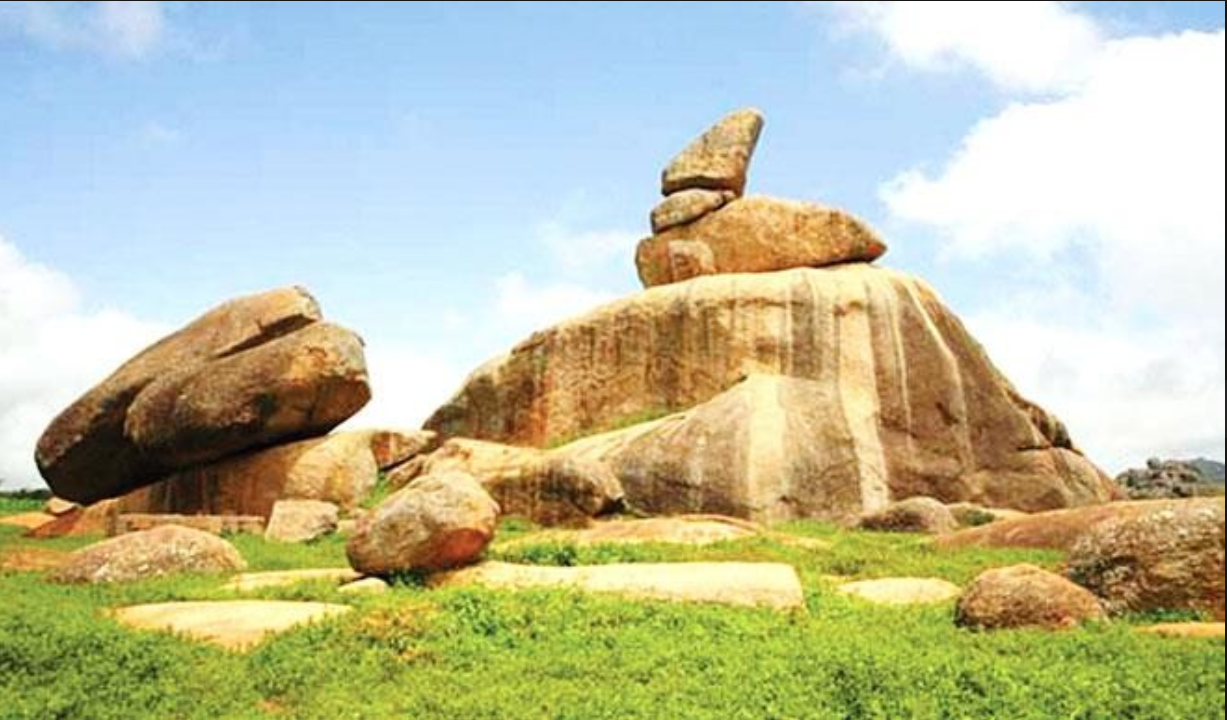
I returned to Jos in 2010 for my National Youth Service Corps (NYSC). I was in my mid-twenties — young enough to convince myself the city had changed, honest enough to know I wasn't sure. I made friends among my fellow corps members. I found my footing. I started to remember what I had loved about Jos as a child; the plateau air, the cool evenings, the way the hills hold the city like cupped hands.
One Saturday night, a group of us corps members were heading out. We had a reservation at a popular lounge in Rayfield. The kind of easy plan young people make without a second thought, because the whole point is not to think too much.
One of us, who was driving that night, turned back to his apartment to change his trousers. Just a small detour—five minutes, maybe ten.
As we waited in the car, the music on the radio suddenly cut out for a breaking news update.
A bomb had just gone offat West of Mines.
West of Mines: a name etched into the consciousness of Jos residents. This was the city's premier nightlife destination, a vibrant avenue of beer parlors and grills that ignited on weekend nights. It buzzed with music, echoed with laughter, and the distinct sense of ease felt by those who for a few precious hours, believed the city was truly safe for celebration.
It was the exact location we had just left—West of Mines, the vibrant pulse of Jos nightlife.
Barely thirty minutes earlier, we had picked at barbecued fish, clinked cold bottles, and laughed with the easy carelessness of people who feel completely safe. The air we had been breathing so casually was no longer the same; it had turned violent—thick with fire and shattered bottles. In the span of minutes, a place that had held nothing but warmth and noise and life became something unrecognizable.
We did not speak much when we heard. We went inside. Nobody suggested we still go out. Nobody needed to. We finished our service year living smaller after that — heads down, routines tight, departure dates marked in our minds like a countdown to oxygen.
Jos had reminded me, quietly and with fire, that it had never fully belonged to us.
Palm Sunday, 2026: Angwan Rukuba and the Cycle That Never Breaks
That was 2010/11. I am writing this in 2026.
On the evening of Palm Sunday — March 29, 2026 — gunmen stormed the Angwan Rukuba district, also known as Gari Ya Waye; probably because of its nightlife, in the same Jos North Local Government Area of Plateau State. Armed men entered and opened fire on residents going about their normal activities. The confirmed death toll has risen above 28, with more critically injured in hospitals. The Plateau State Government immediately imposed a 48-hour curfew across parts of Jos North. Youths took to the streets in protest, blocking roads and defying the curfew in grief and rage.
Governor Caleb Mutfwang condemned the killings. President Tinubu issued a statement. Officials vowed accountability.
For 48 hours, Angwan Rukuba trended on every Nigerian timeline.
Then the scroll moved on.
The Pattern That Nobody Wants to Name
This is the pattern. This is the cycle that has not broken in over twenty years. It is the same story, retold with different names and the same silence at the end.
In 2025, a report by International Christian Concern documented the killing of at least 54 Christians in Zikke village near Jos, following Palm Sunday celebrations. In 2024, four people died in attacks in Bokkos Local Government Area on Easter Monday. In 2022, 2021, and 2020 — the same season, the same communities, the same coordinated violence.
Even before the attack, community youth leaders reported that a video had circulated online, threatening attacks on Angwan Rukuba after Eid-el-Fitr celebrations. The threat was documented.
The attack came anyway.
The violence in Barkin Ladi, in Riyom and other Berom-speaking communities that have worked these lands for generations — this tragedy is not occasional. It is structural. It is sustained. And it is largely invisible to the national conversation until it bleeds into an urban neighbourhood on a sacred day and forces your timeline to pay attention for 48 hours.
Village obituaries do not trend. Rural graves do not go viral. And so the killing continues in the silence between headlines.
What Jos Taught Me About Land, Security, and the Limits of Ownership in Nigeria
I am not a journalist. I am not a politician. I am a man from that city, now building a life and a business in Asaba, carrying Jos with me everywhere I go.
But I spend my professional life thinking about land — what it means, what it costs, what it gives you, and what happens when it is taken from you.
My father did not lose his Jos properties to a fraudster or a forged document.
He did not lose them to a bad survey or an expired title. He lost them to fear. To fire. To a government that made quiet calculations about whose safety was worth defending — and concluded that ours was negotiable.
No Certificate of Occupancy protects you from that kind of dispossession. No deed of assignment. No Governor's Consent. It is the one risk that nobody puts in the real estate brochure — and the one that has displaced more Nigerian families than bad paperwork ever has.
When I tell people that land is the foundation of generational wealth in Nigeria — and I believe this completely — I carry alongside that truth, the knowledge that land without security is just paper. That ownership means nothing if the community around it is being systematically dismantled. That the most important question in Nigerian real estate is not just where to buy — but whether the people who hold power over that territory have decided your life belongs there.
This is why geographic diversification in property investment is not just a financial strategy in Nigeria. It is a survival strategy.
My father's Okpoko plot —the one everyone dismissed as a swamp— was the asset that gave our family options when our primary location became a warzone. That "worthless" land in another city became the only liquid asset we had.
The families of Angwan Rukuba are learning this lesson right now. The way my family learned it in 2001. The way hundreds of communities across Plateau State have been learning it — quietly, violently, without cameras — for over twenty years.
Jos Does Not Have an Attention Problem. It Has a Justice Problem.
Twenty-four years of headlines have not fixed Jos — because headlines were never the solution.
The government is not unaware.
The pattern is documented, the geography deliberate, the attacks too coordinated to be spontaneous. Yet the response cycle repeats without variation: condemnation, curfew, deployment, withdrawal, silence.
Then the next attack.
What Jos needs — what every community in Plateau State enduring this creeping loss needs — is not a better press release from Abuja. It is sustained security presence. It is prosecution, not just condemnation. It is a government that treats rural Berom lives with the same urgency it would bring to any community whose deaths would cause international embarrassment.
The Berom Youths Association has confirmed over 27 dead at Angwan Rukuba. Community leaders say the attackers wore uniforms resembling security personnel. Youth leaders documented a prior video threat. None of this is obscure. All of it is on record.
Someone made a decision. Someone keeps making a decision. And until that someone is held to account, Angwan Rukuba will not be the last name on this list.
A Final Word
I do not write this for clicks. I do not write this because it is trending. I write this because I have been watching this city bleed since I was a boy, and the silence that follows every headline, feels like a second act of violence against the people who are left to count the bodies every time.
My family left Jos because staying felt like dying slowly. The 28 people killed at Angwan Rukuba on Palm Sunday never got the chance to leave.
That gap—between those who secured an exit and those who didn’t—stays with me whenever I write about land, legacy, or building wealth in Nigeria.
Building wealth requires security. Security requires justice. And justice, in Jos, has been deferred for over twenty years.
How many more names does this city have to bury before the silence becomes complicity?
Frequently Asked Questions
Can I start investing in real estate in Nigeria without a lot of money?
Yes — and this is perhaps the most important thing to understand about real estate in Nigeria. You do not need to be wealthy to begin. My father was a petty trader with modest savings when he bought his first plot of land. What matters is not the size of your starting capital but the decision to start. Many people are waiting to feel financially comfortable before they invest, but that comfort rarely arrives on its own. A small plot of land in an emerging area — bought early and held patiently — will always outperform a large savings balance sitting idle in a bank account. The entry point for real estate in Nigeria is far lower than most people assume. Start where you are, with what you have.
How does land appreciate in value in Nigeria?
Land in Nigeria appreciates through a combination of infrastructure development, population growth, commercial migration, and government attention. When a government begins building roads, markets, or public facilities in an area, businesses and residents follow. As more people move into an area, demand for land increases — and with demand comes higher prices. This is exactly what happened in the story above. A piece of land that appeared worthless in the early 1990s became a prime commercial address once the surrounding city began expanding toward it. The key insight is that land does not create its own value — the activity around it does. Buying ahead of development, in areas where growth indicators are already visible, is the core strategy behind every successful real estate investor in Nigeria.
Is real estate a good investment in Nigeria in 2026?
Real estate remains one of the most reliable wealth-building vehicles available to Nigerians, particularly in fast-growing cities like Asaba, Enugu, and Abuja. While inflation, currency fluctuation, and economic uncertainty create anxiety in financial markets, land and property consistently hold or increase their naira value over time. In fact, periods of economic uncertainty are historically when the smartest property purchases are made — because hesitation from the majority creates opportunity for the few who act. Cities like Asaba in Delta State are currently experiencing significant infrastructure investment, commercial growth, and population influx, making them particularly attractive for both short and long-term real estate investment in 2026 and beyond.
What are the risks of buying land in Nigeria and how do I avoid them?
The most common risks when buying land in Nigeria include purchasing land with disputed ownership, buying without a verified title document, dealing with unregistered land agents, and purchasing in areas with no clear development trajectory. Here is how to protect yourself: Always verify the land title — the most secure documents in Nigeria are a Certificate of Occupancy (C of O) or a Governor's Consent. Never buy from an individual without involving a registered estate agent or property lawyer. Conduct a land search at the relevant state's Land Registry before any payment. Insist on a proper deed of assignment or contract of sale. Work with reputable, verifiable real estate companies — such as Meridian Vista Properties — who conduct due diligence on every listing they present to clients.
How long should I hold land before selling it in Nigeria?
There is no universal rule, but the general principle is this — the longer you hold land in a growth corridor, the greater your return. In Nigeria's emerging cities, significant appreciation typically begins to show within 5 to 10 years of purchase, and compounds substantially between 10 and 20 years. The story in this post is a perfect illustration: a plot purchased in the early 1990s had appreciated dramatically by the early 2000s — roughly a decade later. That said, the right time to sell is determined by your personal financial need and the maturity of the market around your land, not by an arbitrary timeline. The worst reason to sell land is impatience. The best reason is that the land has served its purpose in your wealth-building strategy and a better opportunity is available.
Why is Asaba a good place to invest in real estate?
Asaba, the capital of Delta State, has emerged as one of the most attractive real estate markets in southern Nigeria for several compelling reasons. First, infrastructure: the city has seen consistent government investment in roads, utilities, and public facilities, making it increasingly livable and commercially viable. Second, geography: Asaba sits at a strategic crossroads — close to Anambra State, connected to the Niger Bridge which is the gateway into the south east, and accessible from both the south-south and south-east geopolitical zones, giving it a natural commercial advantage. Third, affordability: compared to Lagos and Abuja, Asaba still offers entry-level land and property prices that represent significant upside potential. Fourth, growth trajectory: Asaba is a city on the rise — population influx, new businesses, and expanding residential demand all point to continued appreciation. For investors seeking high returns in an underpriced, high-growth market, Asaba is one of Nigeria's most compelling opportunities right now.
What is the difference between building wealth and earning salary?
A salary is income — it flows in when you work and stops when you do not. Wealth is ownership — it grows while you sleep, continues when you are ill, and outlasts you entirely. The fundamental difference is that a salary trades your time for money, while ownership makes your money work independently of your time. In practical terms: a salary pays your rent, your school fees, your food, and your lifestyle — but it rarely creates surplus fast enough to change your financial position. A property asset, on the other hand, does three things simultaneously: it holds value against inflation, it can generate rental income, and it appreciates over time — creating wealth that compounds without requiring your daily effort. The lesson from this story is not that salaries are bad. It is that salaries alone are not enough. Ownership is what converts a working life into a lasting legacy.